
Safeguarding your clients from fraud is non-negotiable. 🔒 Learn how to protect your transactions and yourself with our breakdown of ALTA’s new Best Practices for identity verification. #TitleInsurance #ALTA #FraudPrevention #RealEstate
A Guide to Enhanced Identity Verification in the Age of ALTA’s New Best Practices
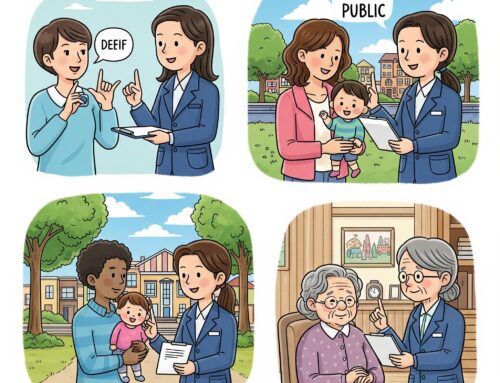
As a notary public, you are a crucial frontline defender against fraud in real estate transactions. Your role in verifying identity is paramount, and with the increasing sophistication of impersonation schemes, your vigilance has never been more critical. The American Land Title Association (ALTA) recently updated its Best Practices Framework to include enhanced measures for identity fraud prevention, placing a renewed emphasis on robust verification protocols.
While your core duties remain the same, understanding these updated guidelines will empower you to better protect signers, transactions, and ultimately, yourself. This guide will help you navigate the heightened expectations for identity verification, offering clear “do’s and don’ts” to fortify your notarization process.
The Notary’s Toolkit: Enhanced Do’s for Identity Verification
ALTA’s new guidelines reinforce the need for a multi-layered and meticulous approach to identity verification. Here’s how you can step up your game:
- Do Understand the “Why”: Recognize that the title industry is facing an onslaught of impersonation fraud (seller, buyer, and borrower fraud). Your diligent identity verification is the first and often most critical barrier against these scams. Every proper identification you perform directly protects consumers and the integrity of the real estate system.
- Do Adopt a Multi-Layered Approach When Possible: While your state’s notary laws define acceptable ID, consider layering your verification. Beyond a single government-issued ID, ask probing questions, observe behavior, and look for consistency across documents. If you suspect anything, it’s always better to err on the side of caution.
- Do Scrutinize IDs with Intense Focus: Don’t just glance. Train yourself to examine every security feature on a government-issued photo ID.
- Check for Lamination/Tampering: Look for air bubbles, peeling edges, or signs of re-lamination.
- Feel for Texture: Genuine IDs often have raised print or tactile elements.
- Examine Photo Quality: Is it blurry? Does it look pasted on? Compare the photo to the individual carefully.
- Verify Holograms/Microprinting: These are difficult to replicate.
- Check Dates: Ensure the ID is current and the birthdate aligns with the signer’s apparent age.
- Match Signatures: Compare the signature on the ID to the signature on the document and the one you witness.
- Do Trust Your Gut and Observe Behavior: Fraudsters often exhibit nervousness, impatience, or a reluctance to provide additional information. They might avoid eye contact or rush the process. If a signer seems unusually hesitant or their story doesn’t add up, slow down and ask more questions. A “bad feeling” is a legitimate reason to proceed with extra caution.
- Do Maintain Meticulous Journal Entries: Your notary journal is your best defense. Record all required information thoroughly, including the type of identification, its issuing agency, serial number, and expiration date. Consider noting specific observations or challenges encountered during the ID verification process.

The Notary’s Red Flags: Critical Don’ts to Avoid
Avoiding common pitfalls is just as important as implementing best practices. Here’s what to steer clear of:
- Don’t Rush the ID Verification Process: Never feel pressured to hurry the identification step, even if the signer or another party is impatient. This is the most crucial part of your role. Take the time you need.
- Don’t Accept Unacceptable Forms of ID: Stick strictly to your state’s approved list of identification. Social Security cards, birth certificates, credit cards, or utility bills are generally not acceptable primary forms of ID for notarization as they lack sufficient identifying features. If using credible witnesses, ensure they meet all legal requirements and you properly document their identity.
- Don’t Assume Your Tools are Foolproof: While mobile ID scanners or apps can be helpful, they are aids, not replacements for your due diligence. A sophisticated fake ID might pass a quick scan but fail your visual scrutiny. Always perform your own thorough visual inspection.
- Don’t Ignore Discrepancies: If the name on the ID doesn’t perfectly match the document, if the address is wildly different without a credible explanation, or if any detail seems off, don’t proceed without clarification. These discrepancies are often red flags.
- Don’t Be Afraid to Refuse Service: If you have any reasonable doubt about a signer’s identity, it is your right and your duty to refuse notarization. This protects you from liability and, more importantly, prevents fraud. Explain your concerns professionally and document the refusal in your journal.

By sharpening your identity verification skills and integrating these enhanced “do’s and don’ts,” you not only meet but exceed the expectations set by ALTA’s updated Best Practices. Your commitment to thoroughness is a powerful safeguard in an increasingly complex environment, solidifying your vital role in securing real estate transactions.
How do you tackle identity verification challenges in your notarizations? Share your tips and experiences in the comments!
For more information on ALTAs best practices follow the link below!
https://www.alta.org/policies-and-standards/best-practices/get-started
#NotaryPublic #NotaryTips #ALTA #IdentityVerification #FraudPrevention #RealEstate #Notarization #BestPractices